Back 2 Physical Media: Pt 5 - CD's
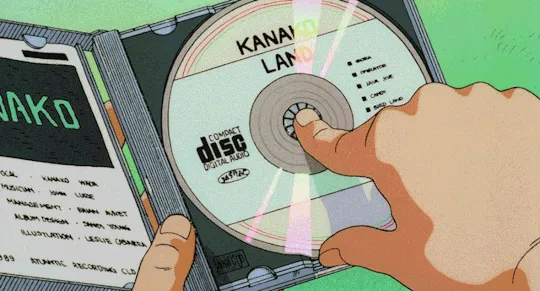
Basically anything loaded on a thin plastic disc is going to be a win in the physical media game. Yes, they will rot over time just like everything else but, where music is concerned, you are getting the best value for your money.
Go to your favorite musical artists Bandcamp page or website and click on the merch. You'll see a bunch of sold out limited records that were 40-60 a piece. Then there will be some sold out cassettes in the 15 dollar range. But there, probably forever in stock, will be the CD's. Hovering around 9-12 dollars, if you want a physical copy of your favorite music it's your best bet.
Why is that? Well, most of us still have a cd playing device laying around. If not a USB CD/DVD/BR drive is not crazy expensive. You can store the songs as any filetype your software allows, meaning a far higher quality than streaming services.
Let's say you went nuts and got an MP3 player on eBay to remove your music experience from your phone. (Combining our cameras, music, internet, and games into one device was fun for a while, but at what cost?) Well, if it isn't a fancy wifi streaming android device you'll need to manually transfer song files to it. Where are you getting the song files? You can get them on Amazon for nearly the cost of the CD and at any point they could shut down the download servers.
Buying the CD guarantees you access to the songs you purchased. Rip the songs from the disc to your computer and upload them to your mp3 player like Wozniak's buddy intended. I know Best Buy is not long for this earth but many stores still carry CD's. Walmart/Target/Big HEB's, etc. Buy them directly from the bands. They are out there.
The downsides to CD's are their fragility. They scratch easy so you need to be careful handling them. We all ended up with a raw stack of 50 random CD's at some point but it's not the best way to store them. Get a CD binder for quick storage, leave them in the jewel cases for long term.
For those who are getting back into listening with portable CD players, if you have never used one you might see words on the top that say things like ANTI-SKIP or SHOCK PROTECTION on it. Those are usually nonsense words. The thing will skip if you shake it hard enough. This is best for things like, using it while driving in a car or walking around. Old models were very sensitive and you basically had to be sitting still with it.
Other than that, older hardware will have old hardware issues like the optical reader going out or the drive gears failing or something. Typical things. I just had to replace the CD player in my sons used car because the 6 disc changer can no longer read the discs. We used to keep a CD holder on our sun-visors to quickly swap while driving. Brave folks kept the whole 3 inch CD binder in the car but I know more than one person who got their window busted open and their entire collection stolen. (CD's used to be around 25 bucks each back in the day.)
Before the internet got fast enough to download songs, buying a CD was a big deal but they were worth it. You didn't have to rewind or fast forward to songs you wanted. The dial on the player would show what track you were on. A fancy one would tell you the name of the song too.
Unlike cassettes the audio quality of the CD was amazing. You suddenly were limited by the quality of your headphones. That didn't stop many from being bundled with weak on-ear's with foam mesh covers. Earbuds and sports buds became popular when folks had portable music players and needed something that wouldn't fall out of their ears while rollerblading or whatever.
The goal of all these little posts was to help folks who are becoming more aware of the streaming subscription money syphon that is modern media. We all pay 25 a month to watch or listen to whatever they have, then an extra 5 to 15 a month to watch what we wanted, and another few bucks to rent the thing that is popular. The creators get pennies for it and without stronger support from us they won't be able to create more.