American Comic Books VS Manga
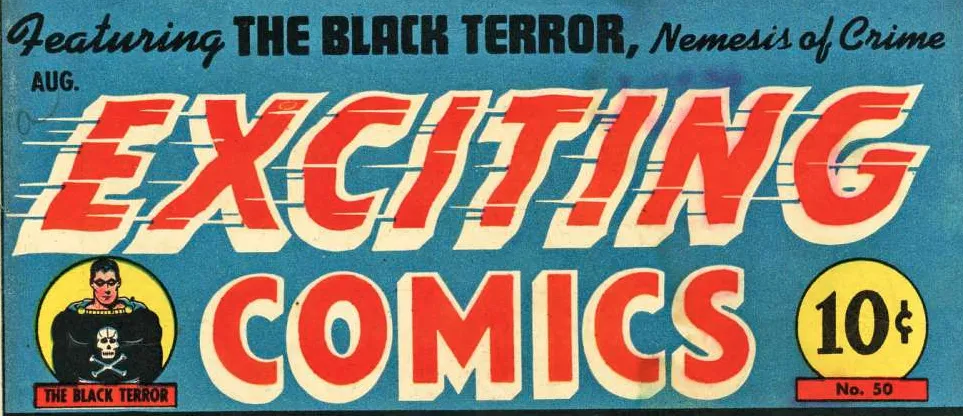
When I was a kid the grocery store had a magazine rack when you walked in. That magazine rack also had comic books on it. If you had a spare two dollars you could pick up the latest Batman, Spiderman, or X-Men title. Many shops with a magazine or newspaper section sold comics. You didn't need to drive an hour to the speciality comic/game shop to read them. They were accessible, cheap, and distributors were never late.
When I was in college I worked at an actual comic book store in Dallas. We obviously had wall to wall books. I only got the job because I knew anime and manga and it was 2002 so it all on the cusp of becoming mainstream. The comic books were in magazine racks and divided up by publisher. 18+ comics were kept above eye level, so that was mostly Vertigo and the indies. But everything else was a sea of single issue comics from the latest series that publisher was making. Every Wednesday we got new books in and had to stock them up before the store opened. (Technically they came in the day before along with all the sub pulls. Our shop was one of several and the main store processed the subscriptions and a van would come deliver them.) But like clockwork, as soon as we opened a sea of 30+ year old men would come in and pick up their subscription bundles, a few loose new titles, and be on their way.
Our manga section was two bookshelves of random stuff. You couldn't subscribe to any of it because it was all trade paperbacks. You could preorder it if you wanted but for the most part the same titles sat there on the shelf the entire seven months I worked there. Fans of anime would come in for toys or action figures, not the manga.
Cut to today and if I were going to open a comic book store I would have a small section of American comics and wall to wall manga, toys, and general weeb supplies. I would argue that manga stories have eclipsed comic book stories. Yes, even including the Marvel Cinematic Cash Machine. Why?
Well, let's do this. Let's imagine you are a Martian who has intercepted a TV broadcast signal of one of the many Batman movies. You love the movie and come to Earth to learn more. You find out it's based on a comic book and want to read the latest goings on in Gotham. Earthlings have directed you to a local comic book store big enough to surely have issues of Batman. Upon arrival to the comic shop you find the wall of DC comics and sure enough there are issues of Batman on the shelf. There are actually several issues of Batman on the shelf. With different Batmans. The shop worker comes by to help you find a good title. You tell them you want Batman. They show you the latest main storyline issue, then the one that is about to wrap up, then another offshoot title - all called Batman. You pick the latest one. They only have issues 3-5. Issues 1 and 2 are out of print. The shop worker tells you they can order copies for you or check their warehouse but the price will be higher because they are out of print, or you can wait for the trade paperback to come out in a few months and get all the issues in one book. Pissed, you leave the shop with no Batman books and fly back to Mars and watch Batman Returns on your oscillating crystal screen.
If our Martian friend had watched an episode of something like Naruto, and wanted to come read the comic version, volume 1 would be in print on the shelf at nearly every Barnes & Noble left standing. Our local Walmart out here in the sticks has volume 1 of Demon Slayer and One Piece on the shelf right now - and zero American comics or TPBs.
That tells you all you really need to know right there. American comics are no longer the cheap and accessible media they once were two decades ago. A single issue will cost you over 5 dollars after tax. A trade paperback is closer to 20 but it typically contains several issues or an entire one shot storyline. Many people treat single issues as collectors items, buying two at a time - one to read and one to put in a bag and board and store forever only to get it graded once the comic or a character makes it into a movie. (Cough, X-23, Cough)
But you can't treat an entire medium as a collectors item and expect enough people to read it to keep the lights on. Creating comics is expensive, same goes for manga. You need someone to write the story, someone to draw it up, someone to ink it, someone to color it, someone to do the cover, someone to do the lettering, etc. It takes a team of people to publish 20 pages a month. The big comic companies like Marvel and DC hire teams of well established artists and writers to do all of this. Their leadership is made up of career comic book writers and artists who know what it takes and what it's worth to make comic books. The company essentially puts together a team of professionals to create and publish a comic book using the IP they currently own. This no doubt leads to a lot of time speculating what current fans want to read as well as appealing to new readers.
Manga on the other hand is an entirely different beast. There is even a manga about how manga is made called B. Traditionally Manga is published by a magazine that contains more than one story (issue) from several titles at once. I'm going to use Shonen Jump here because it's the easiest. Jump doesn't have a pool of pencil artists to call up to do pencils on their latest book. Jump gets new titles by way of well, basically literary agents. These agents and publishers work with independent manga creators to craft stories that when approved will make it into the magazine. Once printed in the magazine the readers send feedback to the publisher by means of voting. Yep, popular vote will keep the series going. Lose your votes and the story gets dropped.
Unlike American comics, manga has a weekly distribution schedule meaning a small team of artists and writers have an SNL like deadline to put out an entire issue - every week. Compare that to American comics with a monthly issue release date. Now, things have gotten less intense for manga creators these days. Stories of how sick and overworked manga creators get are everywhere. One guy posted his schedule where he worked continuously all week day and night by taking small naps and meal breaks throughout the day. And you wonder why they end up in the hospital or dying of heart attacks. A successful manga means tons of work for very few people to make millions happy.
In no way am I trying to advocate that American comic creators adopt the marathon style of production to make comics faster. You don't need to have 25 pages a week. That is crazy. We don't need to make everything a reality show death race just to be profitable.
What I want to look at is the way comics are distributed. That is the elephant in the road everyone is driving around. Weekly Jump magazine is printed on the most recycled raggedy newspaper with the ink output set to 65%. You are not expected to keep it forever. You buy it cheap, read all the issues, then recycle it so they can turn it into more magazines. The company even owns all the means to do this, they recycle the paper and print it all themselves. They do print more expensive volumes of the specific titles they run in a trade paperback format on much nicer paper with normal ink levels so if you do like a series you can buy a more permanent copy.
American comics used to be almost solely distributed by Diamond. As of a few years ago many of the big publishers left them after their contracts were up. Marvel is now with Penguin Random House, and DC ships with Lunar and UCS. One would think that a company with as much money as Marvel/Disney would be able to self distribute their titles but I am not an expert on book distribution. I use Ingram for my stuff and it goes out to any bookstore that wants to order it. Please let me know why this is such a logistics fumble.
Anyway, American comics are also still printed per issue on a monthly basis with full color pages and full page poptart ads. It's cute and adorable but they are expensive for what they are and how hard it is to buy them. If I opened a comic shop I wouldn't carry singles on the shelf. I'd let you order them all day long. I'd buy vintage collectible issues, probably graded, for you to buy. I would not want to deal with the long boxes of back issues so many stores are filling their floors with. Because if you don't buy the single issues when they are new, they become back issue bulk that go in a long cardboard box in the back hoping that one day someone wants to pay my cost for. The comic shop I worked at didn't have many on site back issues. Our warehouse had it. You could ask any of our locations for a copy of whatever and we would have it picked and driven to the shop within a day or two.
Now, I know that digital fixes 99% of these problems. A few years ago I went to the comic shop and got the first three issues of Chainsaw Man. Each was about ten bucks. But there were several more issues of the manga out there and I couldn't afford to spend over 100 bucks just to read one series that wasn't over yet. Viz media has an app you can download on your phone and pay a monthly subscription to read nearly everything they have. It was like, three dollars a month. I read all the rest of Chainsaw Man. I read all of Boruto. I read all kinds of stuff. Because it was on my phone I could pick it up and read whenever.
We know this works with regular books because eBooks are out there killing it every day. One device, all your stories. No bookshelf space needed. You make things accessible to a large enough pool of people that you can afford to keep the price low while making enough money to keep the creative teams fed and able to take time off work. That is a hard thing to do.
I still have Webtoon installed on my phone but the titles aren't my cup of tea. I tried. But the creative teams make very little because many titles are free to read, making monetization hard resulting in Youtube view/Spotify stream levels of income. But just like with the manga model, the most popular series do the best.
Somewhere along the line the reader has to pay something in order to sustain the medium. That something needs to be low enough for the majority of people to consume it like a weekly treat. I can spend 3 dollars a week on a Redbull at the grocery store. If I were in Japan I could spend 300 yen a week on a copy of Weekly Jump magazine... at the grocery store.
See first paragraph.